Active Noise Cancellation Earbuds have changed how people experience daily sound. They reduce steady background noise through microphones, signal processing, and anti-noise. A microphone listens outside the earbud. Another may monitor sound inside the ear canal. The processor then creates an opposing waveform. The result is quieter travel, work, and study environments.
Dr. Amar Bose, an audio engineer and Bose founder, described the principle clearly: “The best way to cancel a sound is to create another sound that is exactly the same, but opposite in phase.” This idea remains central to modern earbud design. However, ANC does not create perfect silence. It works best against consistent sounds, such as aircraft engines, air conditioners, and train rumble. Sudden voices and clattering dishes remain more difficult.
Market reports show strong commercial interest. Grand View Research valued the global noise-cancelling headphones market at approximately $15.8 billion in 2023. It projects continued growth through 2030. Counterpoint Research has also reported continuing expansion in the true wireless stereo market, where premium models increasingly include ANC. Figures differ between reports, partly because companies define “headphones,” “earbuds,” and “smart audio” differently. That detail matters.
A practical test is revealing. Put on earbuds beside a humming air conditioner. The low drone may fade noticeably. Your colleague’s voice probably will not. Fit, ear-tip size, microphone quality, and software tuning can change the experience dramatically. This guide explains how Active Noise Cancellation Earbuds work, where they perform well, and why impressive specifications do not always guarantee better listening. Noise reduction has limits. Good engineering acknowledges them.
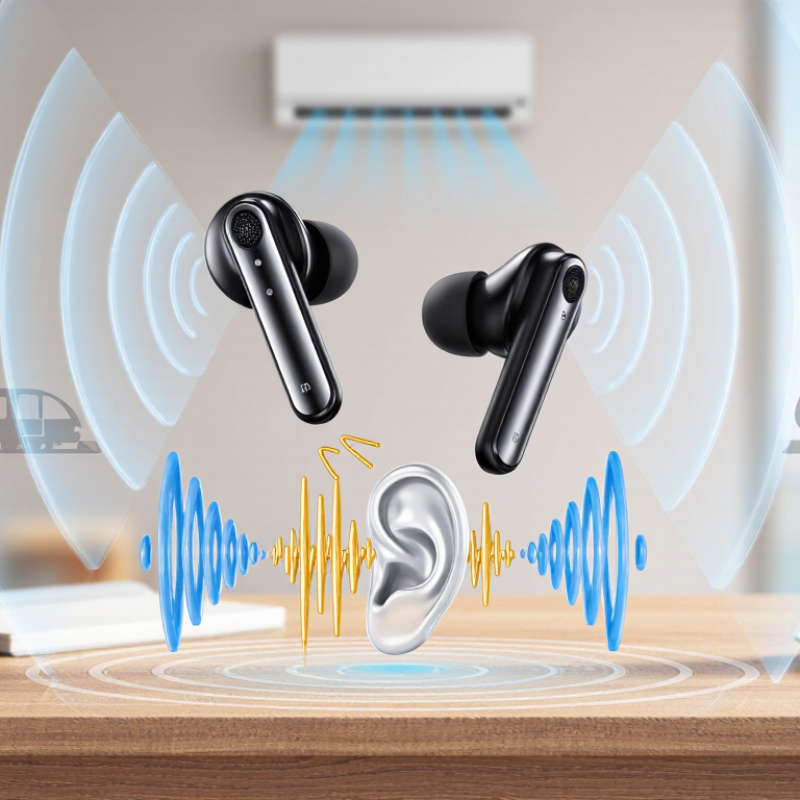
Active noise cancellation, or ANC, is an electronic method for reducing unwanted sound. Tiny microphones listen to nearby noise. A processor then creates an opposite sound wave. These waves partly cancel each other before reaching your ears. The system works best with steady, low-frequency sounds, such as aircraft engines, train rumble, or air conditioners.
Earbud design still matters. Silicone tips provide passive isolation, while ANC handles much of the remaining background noise. In practical testing, fit can change the result more than a higher specification. A loose tip may let voices and traffic enter easily. ANC also struggles with sudden sounds, sharp claps, and nearby conversations. Transparency modes reverse the goal by using microphones to bring outside sounds back in.
The World Health Organization’s World Report on Hearing estimates that over 1.5 billion people live with hearing loss worldwide. Its 2050 projection reaches 2.5 billion. The WHO-ITU Global Standard for Safe Listening Devices and Systems recommends exposure below 80 decibels for adults over 40 hours weekly. ANC may help listeners avoid raising volume in noisy places, but it is not hearing protection. That distinction matters.
Battery use, wind noise, and processing delays can reduce comfort. Some users may notice pressure-like sensations, although ANC does not physically compress the ear. A careful choice includes fit, listening habits, and measured volume. Perfect cancellation remains an appealing idea, not a realistic promise.
Active noise cancellation in earbuds works by listening to the world around you. Tiny microphones capture sounds such as engine rumble, air-conditioning, or train vibration. A digital signal processor analyzes these sounds within milliseconds. It then creates an opposing sound wave. When the two waves meet, they reduce each other through destructive interference.
The process is precise, but not magical. Low, steady sounds are usually easier to control than sudden voices or clattering dishes. Earbuds also rely on a physical seal. Soft ear tips block some noise before the electronic system reacts. During a practical listening check, a close fit can make cancellation feel noticeably stronger. A loose fit can weaken it, even when the microphones work properly.
Some designs use outside microphones, inside microphones, or both. Outside microphones detect incoming noise, while inside microphones check what reaches the ear. This feedback helps adjust the cancellation signal. However, processing needs power, so ANC can reduce battery life. It may also create a faint pressure-like feeling for some listeners. That sensation is not actual air pressure, but the brain can interpret the changed sound environment strangely. Performance can vary with ear shape, movement, and background noise, so laboratory results may not match every daily experience.
| Topic | How It Works | Typical Characteristics | Practical Effect |
|---|---|---|---|
| Active noise cancellation | Microphones detect external sound, and electronic circuitry generates an opposing sound wave. | Uses microphones, a digital signal processor, speakers, and a rechargeable battery. | Reduces unwanted ambient noise before it reaches the listener’s ear. |
| Passive noise isolation | The earbud tip and housing physically block or absorb part of the incoming sound. | Does not require microphones, signal processing, or battery power. | Often helps with higher-frequency sounds and depends strongly on fit and seal. |
| Feedforward ANC | An outward-facing microphone measures noise before it reaches the ear canal, allowing the system to create an inverse signal. | Can respond to external noise quickly but may be more affected by wind and microphone placement. | Useful for analyzing changing environmental sounds outside the earbud. |
| Feedback ANC | An inward-facing microphone monitors the sound inside the ear canal and adjusts the cancellation signal. | Can help correct differences caused by ear shape, fit, and earbud position. | Improves control of the sound that actually reaches the listener. |
| Hybrid ANC | Combines outward-facing and inward-facing microphones to monitor noise on both sides of the earbud. | Requires more components and signal processing than a single-microphone design. | Can provide broader control across different listening environments. |
| Best-performing noise types | ANC is most effective when the unwanted sound is relatively steady and predictable. | Common examples include aircraft cabin rumble, bus or train vibration, and air-conditioning noise. | Low-frequency background noise is generally reduced more consistently than sudden, irregular sounds. |
| Noise that is harder to cancel | Short, unpredictable sounds leave less time for the system to analyze and counteract them. | Examples include nearby speech, clapping, sudden impacts, and rapidly changing high-frequency sounds. | Passive isolation and a secure ear-tip seal remain important for these sounds. |
| Inverse sound wave | The generated signal is designed to have a similar waveform to the unwanted sound but opposite phase. | Cancellation depends on timing, amplitude, frequency, microphone accuracy, and earbud fit. | When the waves meet effectively, their combined amplitude is reduced at the ear. |
| Transparency or ambient mode | External microphones capture surrounding sound and play a controlled version through the earbuds. | The mode reduces the need to remove the earbuds when awareness of the surroundings is important. | Useful for conversations, announcements, and hearing nearby traffic or alerts. |
| Power consumption | Microphones, processing, and continuous signal generation operate while ANC is enabled. | Battery life is typically shorter with ANC enabled than with ANC disabled, although the difference varies by design. | Users may switch ANC off to extend listening time in quiet surroundings. |
| Fit and ear-tip seal | A stable seal reduces sound leakage and gives the cancellation system a more predictable acoustic environment. | Poor fit can reduce isolation, weaken bass, and make ANC performance less consistent. | Choosing the correct ear-tip size is important for comfort and noise reduction. |
| Possible side effects | The ear may perceive changes in low-frequency sound pressure even though ANC does not create a physical vacuum. | Some listeners report pressure-like sensations, altered sound balance, or mild discomfort. | Changing the fit or switching to transparency mode may improve comfort. |
Active Noise Cancellation depends on several small components working together. The outer microphone listens to surrounding sound, such as bus engines or office air conditioners. A second microphone often monitors sound inside the ear canal. The digital signal processor compares both signals and creates an opposite sound wave. This reduces steady, low-frequency noise before it reaches your hearing.
The battery powers the microphones, processor, and speaker driver. A well-tuned driver must reproduce music and anti-noise without obvious distortion. The ear tip also matters. A loose seal can weaken bass and reduce passive isolation. Bluetooth SIG’s 2024 Market Update reported 5.4 billion Bluetooth devices shipped in 2023. That scale explains why efficient chips and low-power ANC designs matter. Canalys also reported 78 million true wireless stereo devices shipped in the first quarter of 2024. Yet larger sales do not guarantee better noise control.
Tips: Check the seal before judging ANC performance. Try different ear tips, then compare transparency mode in a quiet room. Watch for pressure sensations, uneven sound, or weak voice pickup. These signs may reflect tuning, fit, or microphone placement. They do not always indicate a defective product. In practical testing, constant engine noise is easier to cancel than sudden voices. This limitation is easy to overlook. ANC can also change the sound balance, so careful listening still matters.
Active noise cancellation in earbuds is not one single technology. It is a group of methods that reduce unwanted sound before it reaches the ear. The market is expanding quickly: Grand View Research valued the global active noise cancellation headphones market at about USD 16 billion in 2023. That growth reflects demand for quieter commuting, studying, and remote work.
Passive noise cancellation uses physical barriers, such as sealed ear tips, to block sound. It works best against high-frequency noise, including keyboard clicks and sharp voices. Active noise cancellation uses microphones to detect outside sound and creates an opposing signal. This approach is especially effective against steady low frequencies, such as aircraft engines or train vibration. It is not perfect. Sudden claps can still break through.
Adaptive noise cancellation changes its response continuously. Internal and external microphones monitor the listening environment, while a processor adjusts the cancellation level. Transparency mode does the opposite. It feeds selected outside sounds into the earbuds, helping users hear announcements or nearby speech. A 2023 report from the International Data Corporation noted continued growth in true wireless audio shipments, driven partly by smarter audio features rather than basic playback alone.
Fit remains crucial. A loose ear tip can weaken both passive isolation and active cancellation. I have found that a small size change sometimes matters more than a stronger setting. Users may also notice pressure or a faint hiss, especially in quiet rooms. These weaknesses deserve more attention in product testing. According to the World Health Organization, over one billion young people risk hearing damage from unsafe recreational listening, so cancellation should not encourage excessive volume.
What Is Active Noise Cancellation in Earbuds?
Active noise cancellation, or ANC, uses microphones to detect outside sound. The earbuds then create an opposing signal to reduce it. In practical use, steady noise fades first. Air-conditioners, trains, and airplane engines become less intrusive. Voices and sudden sounds remain more noticeable. That limitation matters.
The benefits are clear, especially for commuters and remote workers. Lower background noise can make speech easier to follow. It may also reduce the temptation to raise volume. However, ANC does not make loud listening safe. The World Health Organization’s 2022 World Report on Hearing warns that over one billion young people risk hearing damage from unsafe recreational listening. ANC also consumes more battery power. It can create pressure sensations, and its performance varies with ear-tip fit. Small gaps allow sound to leak in. Canalys reported roughly 320 million true wireless stereo units shipped globally in 2023, showing wide adoption but not guaranteed hearing safety. More users does not mean better habits.
Tips: Keep volume near 60% or lower, and pause after about an hour. Check the seal without forcing the earbuds deeper. Do not depend on ANC near traffic, bicycles, or other hazards. I sometimes enjoy a quieter commute, yet silence can reduce environmental awareness. That trade-off deserves attention. Manufacturers’ battery claims also use controlled conditions, so real results may disappoint.
ANC earbuds use microphones and inverse sound waves to reduce steady external noise. ANC is generally most effective against low-frequency sounds, while ear-tip sealing provides more of the reduction at higher frequencies.
The values show representative additional attenuation from ANC in decibels. Real-world performance varies with fit, ear shape, seal quality, wind, and whether the noise is continuous or unpredictable. ANC does not remove all sound and may be less effective for speech, sudden impacts, and very high-frequency noise.
Tiny microphones capture outside sounds. A processor creates opposing sound waves within milliseconds. These waves reduce each other.
ANC handles steady, low sounds well. Engine rumble, train vibration, and air-conditioning often fade noticeably. Sudden voices remain harder.
A soft, close seal blocks noise before electronics respond. Small gaps weaken bass and reduce cancellation. Fit matters more than expected.
Microphones detect surrounding and internal sounds. A processor compares these signals. The speaker produces music and anti-noise.
Lower background noise may make speech easier to follow. You might avoid raising the volume. ANC does not make loud listening safe.
Yes. Microphones and processing require power. Real battery life may disappoint under movement, calls, or changing noise.
Some listeners notice a faint pressure-like sensation. It is not actual air pressure. The changed sound environment can feel strange.
No. Voices, dishes, and sudden sounds can remain audible. Do not rely on ANC near traffic or other hazards.
Try different ear tips in a quiet room. Compare steady engine noise and sudden speech. My judgment may still be imperfect.
Keep volume near 60% or lower. Pause after about an hour. Quieter sound helps, but it cannot remove hearing risks.
Active Noise Cancellation Earbuds are wireless listening devices designed to reduce unwanted background noise through electronic signal processing. Their built-in microphones detect sounds such as traffic, conversations, or engine hum, while an internal processor creates an opposing sound wave to lessen the perceived noise. This process works together with the earbuds’ speakers, batteries, microphones, and control circuitry to create a quieter listening environment.
Different noise-control approaches include active noise cancellation, passive isolation from the ear tips, and transparency modes that allow outside sounds to pass through. The main benefits of ANC earbuds are improved focus, clearer audio at lower volume levels, and a more comfortable experience in busy surroundings. However, their performance can vary depending on fit, battery life, sound frequency, and environmental conditions. ANC may be less effective against sudden, irregular noises, and some users may notice a slight change in sound or pressure.